In short: Distillery technology software is a specialized management platform designed to track the entire spirits production lifecycle. It handles complex proof gallon calculations, barrel aging metrics, multi-step distillation workflows, and TTB compliance. This provides operators with real-time visibility into inventory, costs, and regulatory reporting requirements.
Distillery technology software is the digital infrastructure that connects your physical production floor to your compliance and financial records. For craft and mid-size producers, transitioning from paper logs and spreadsheets to a dedicated system is often the difference between struggling with monthly reports and scaling a profitable brand. Whether you are running a single alembic pot still or managing a complex facility with dedicated stripping and finishing columns, purpose-built software ensures that every drop of alcohol is tracked, costed, and reported accurately.
Running a distilled spirits plant involves variables that standard manufacturing systems simply cannot handle. From calculating proof gallons at different temperatures to managing the evaporation of aging whiskey over several years, the math is specialized and highly regulated. Comprehensive software integrates with real-world distillery operations to improve efficiency, maintain compliance, and protect your bottom line.
What makes distillery technology software different from standard business tools?
Standard inventory and accounting platforms are designed for discrete manufacturing. They work perfectly if you assemble discrete parts into a finished good, but they fail when dealing with phase changes, evaporative losses, and liquid volumes that expand or contract with temperature. Distillery software is built entirely around the behavior of alcohol and the regulatory framework of the distilled spirits industry.
At the core of any good system is the ability to automatically convert bulk volumes and temperatures into standardized proof gallons. Operators can plug in their hydrometer and thermometer readings, and the software handles the complex gauging math. If you want to check the math manually, you can use a proof gallon calculator to see exactly how these variables interact.
Beyond basic calculations, these systems understand the distinct operational phases defined by federal regulators. Moving liquid from a fermenter to a still, then to a barrel, and finally to a bottling tank requires shifting the inventory across production, storage, and processing accounts. Software designed for this industry maps your physical workflow directly to these required regulatory accounts, ensuring nothing gets lost in translation.
Tracking raw materials and fermentation
Long before alcohol reaches the still, operators must maintain strict control over their raw materials. Distilleries process large quantities of grain, yeast, and enzymes, all of which require meticulous lot tracking for quality control and safety traceability. Modern systems log the receipt of these materials, tracking vendor lot numbers through the milling and mashing processes.
During fermentation, variables like temperature, pH, and specific gravity determine the final yield and flavor profile of the wash. Software allows distillers to record these daily fermentation metrics, creating a historical baseline for each mash bill. If a particular batch of bourbon mash ferments too hot or stalls unexpectedly, operators can review the digital logs to identify the root cause. This level of traceability not only ensures batch-to-batch consistency but also satisfies the rigorous recordkeeping requirements of food safety regulations.
How does software track complex distillation workflows?
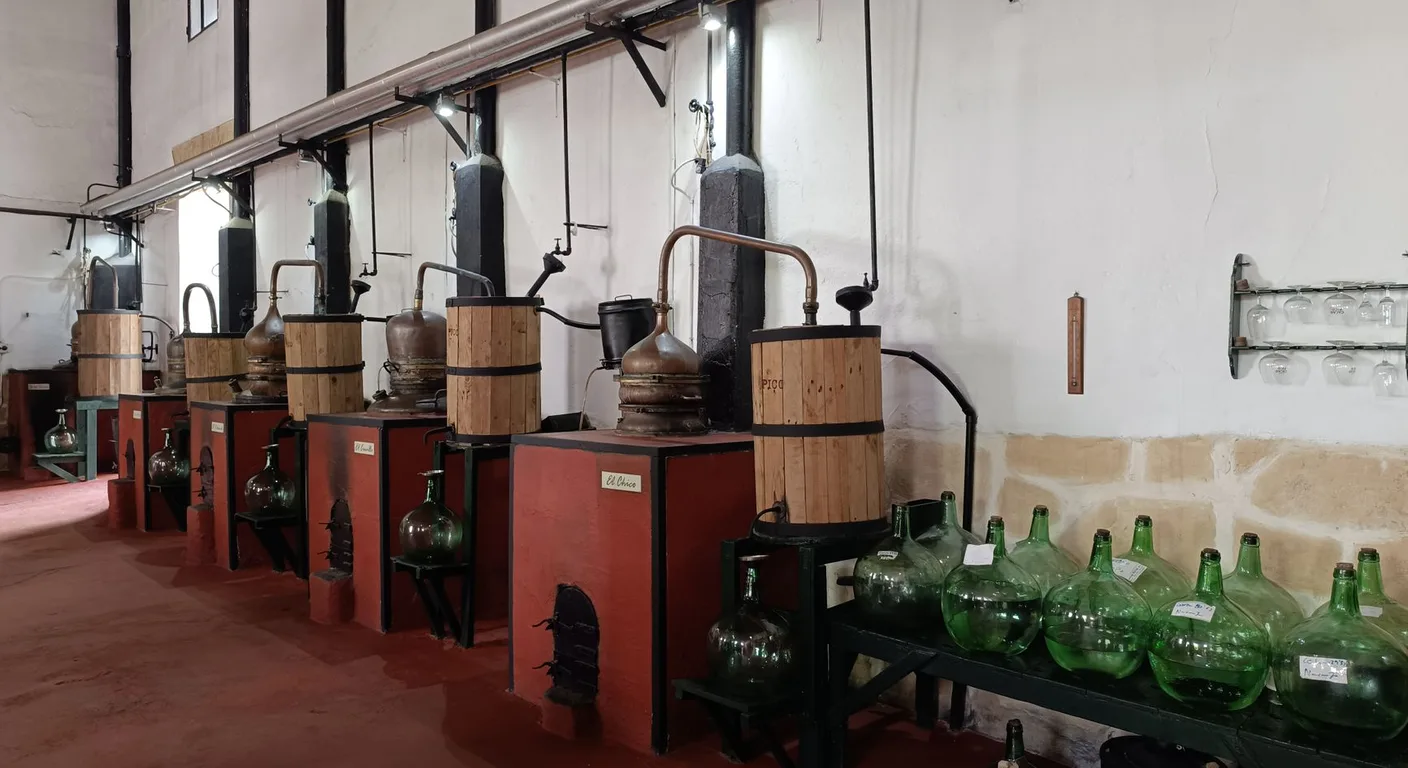
Real-world distillation rarely follows a simple, linear path. Many producers use multi-pass distillation to protect their equipment and increase throughput. A common practice in whiskey production is to use a stainless steel stripping still to rapidly separate the alcohol from the mash, producing intermediate low wines. These low wines are subsequently transferred to a traditional copper finishing still for the final spirit run.
This method keeps heavy, corrosive solids away from the delicate copper plates while drastically increasing the volume of wash the facility can process. Distillery software tracks this entire sequence effortlessly. When the stripping run is complete, the software logs the bulk volume and proof of the low wines, creating an intermediate inventory asset. When the spirit run begins, the software draws down that low wines inventory and records the final high-proof distillate.
The software also accommodates the separation of distillate into distinct cuts. Distillers can log the volumes of heads, hearts, and tails. The hearts proceed to the barrel, while the tails might be routed to a feints receiver for redistillation in a future batch. Furthermore, flexible software allows you to map custom workflows. If a startup distillery uses their still as a mash tun to save on initial capital costs, the system can assign mashing operations to the still asset without breaking the underlying logic.
Can the system manage different still configurations and equipment?
Distilleries utilize a wide variety of equipment to produce different spirits. A facility might run a versatile hybrid still to produce whiskey, rum, and gin, or they might invest in a continuous column still dedicated strictly to high-volume bourbon production. A comprehensive distillery ERP tracks the performance, yield, and maintenance schedules of all these different physical assets.
Equipment composition also plays a major role in production tracking. Copper is essential on the hot side of a still because it acts as a catalyst to remove sulfur compounds and create a softer spirit. However, this chemical reaction slowly degrades the copper over time. Conversely, the cooler distillate path does not require copper and is often made of stainless steel for better durability.
Software helps you manage these physical realities by tracking equipment usage and maintenance schedules. You can log when copper packing was last replaced or when the stainless condenser was last deep-cleaned. If you scale up your operations, moving from a small steam system to a massive industrial setup, the software uses your historical yield data to accurately forecast the increased grain, yeast, and utility requirements for the larger equipment.
How do you track barrel inventory and rickhouse operations?
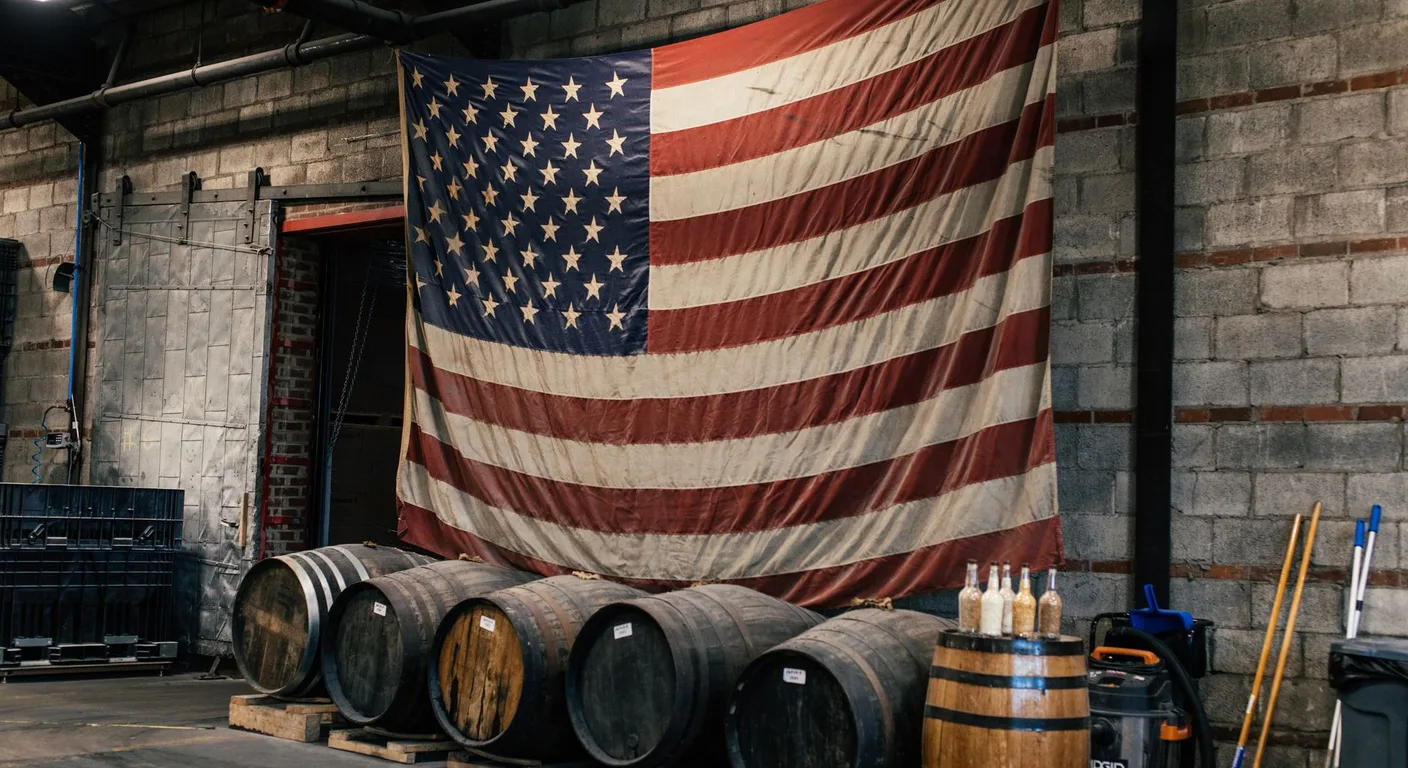
The aging process is arguably the most complex area of distillery management. Once a spirit enters a barrel, it becomes a dynamic asset. The wood breathes, liquid evaporates, and the alcohol by volume shifts based on the climate of the rickhouse. This natural loss is known in the industry as the angels' share.
Software transforms rickhouse management from a guessing game into a precise science. Each barrel is assigned a unique tracking number, often associated with a barcode or RFID tag. The system records the entry date, entry proof, original fill volume, mash bill, and physical location down to the specific row and tier in the warehouse. Modern platforms also track the cooperage details, noting the wood type, toast level, and char level for each cask.
When it comes time to pull samples or regauge the barrel for dumping, the software calculates the exact losses. It compares the current weight and proof against the original entry data to determine exactly how many proof gallons were lost to evaporation or leakage. This data is critical for blending decisions. It allows distillers to group barrels with similar flavor profiles and precise expected yields before physically moving them to the processing floor.
Managing processing and bottling operations
After aging, spirits enter the processing account where they are blended, proofed down, filtered, and bottled. This phase introduces a new set of tracking requirements based around packaging materials. A comprehensive system manages the complete bill of materials for your finished goods, including glass bottles, closures, labels, and cardboard case boxes.
When a bottling run is scheduled, the software allocates the necessary liquid from the processing tank and simultaneously draws down the inventory of dry packaging goods. If a bottle breaks on the line or a label is misprinted, operators can log these items as destroyed. This ensures that the physical inventory in the warehouse always matches the digital records. Accurate yield analysis at the bottling stage helps managers identify inefficiencies on the line and control packaging waste.
What role does this software play in TTB compliance and reporting?
Please note that this is general information, not tax or legal advice. Compliance with the Alcohol and Tobacco Tax and Trade Bureau is a massive administrative burden for any operating distillery. Producers must submit detailed monthly reports tracking every drop of alcohol produced, stored, and processed, as well as pay federal excise taxes based on strict gauging rules outlined in 27 CFR Part 30.
Using dedicated TTB reporting software automates the creation of these critical documents. Because the software tracks your daily operations in real time, it already knows exactly how many proof gallons were distilled, how many were transferred to the storage account, and how many were dumped for bottling.
At the end of the month, the system aggregates this data and populates the required federal forms, such as TTB Form 5110.11 for storage operations. This eliminates the need to spend hours cross-referencing paper logs and spreadsheets. It significantly reduces the risk of human error, reporting discrepancies, and potential audits. Accurate reporting also ensures that your tax liabilities are calculated correctly, preventing you from overpaying on your excise taxes.
How does cost accounting work for aged spirits?
Understanding your true cost of goods sold is vital for pricing your products and ensuring long-term profitability. For unaged spirits like vodka or gin, cost accounting is relatively straightforward. You calculate the cost of the raw materials, utilities, labor, and packaging, then divide by the yield. For aged spirits like bourbon or rye, the math becomes significantly more complicated due to the passage of time.
A barrel of whiskey might sit in a rickhouse for four, six, or ten years. During that time, it incurs storage costs, insurance premiums, and labor costs for periodic inspections or sampling. Furthermore, because of the angels' share, the total volume of liquid you actually have available to sell decreases every single year.
Distillery software utilizes absorption costing to track these cumulative expenses over time. It allocates a portion of your facility overhead to each barrel in inventory on a continuous basis. When a barrel is finally dumped and processed into bottles, the software divides the total accumulated cost by the final liquid yield of the barrel. This gives you a highly accurate cost per bottle, ensuring that your retail and wholesale pricing strategies are grounded in financial reality rather than industry averages.
Spirit Sight provides a comprehensive platform designed specifically for the realities of modern distilling. By integrating proof gallon calculations, flexible equipment workflows, barrel tracking, and automated compliance reporting into one unified system, Spirit Sight allows operators to spend less time managing spreadsheets and more time crafting exceptional spirits.
Key takeaways
- Distillery software automates complex proof gallon calculations and maps physical workflows directly to strict regulatory accounts.
- Flexible systems track multi-pass distillation, monitoring intermediate inventory like low wines between stripping and finishing runs.
- Rickhouse management features track individual barrels, location data, cooperage details, and evaporative losses to ensure accurate blending yields.
- True cost accounting for aged spirits requires software that continuously accumulates overhead, storage, and material costs over several years of maturation.
- Automated compliance tools pull daily operational data to instantly generate accurate federal monthly reports and excise tax calculations.
Frequently asked questions
Can distillery technology software handle multi-pass distillation runs?
Yes. Purpose-built software allows operators to track intermediate spirits moving from a stripping still to a spirit still, maintaining accurate proof gallon counts at every stage of the process.
Does the software help manage different equipment setups like hybrid stills?
Absolutely. Distillery systems track the performance and maintenance of various assets, whether you are running a versatile hybrid still for multiple products or using dedicated stripping and finishing columns.
How does the software handle TTB reporting?
The software compiles your daily production, storage, and processing data into the correct federal formats, drastically reducing the time required to generate accurate monthly reports like Form 5110.11.
Will this software work if I use my still as a mash tun?
Flexible systems allow you to map custom production workflows, meaning you can assign mashing operations directly to your still asset without breaking the software's underlying logic.
How does software track barrel evaporation over time?
The system records the original entry weight and proof of a barrel. When the barrel is regauged or dumped, the software calculates the exact proof gallons lost to evaporation or leakage, commonly known as the angels' share.